Popcorn Ceiling Removal in Naperville, IL
Popcorn texture scraped, the ceiling reskimmed or reboarded, and finished smooth or knockdown — with testing first on any ceiling old enough to need it.
Naperville Elite Drywall is your local resource for popcorn ceiling removal throughout Naperville, IL. We help homeowners connect with an experienced drywall professional who tests before scraping, not after.
Popcorn (also called acoustic or stipple) ceiling texture was standard in a lot of U.S. homes built from the 1950s through the late 1970s, prized at the time for hiding imperfections and dulling sound. It's rarely applied on new work today, and a lot of homeowners in Naperville's older neighborhoods near Downtown and Brookdale are removing it now for a cleaner, more modern ceiling — the search intent behind this is genuinely different from general drywall repair or texture work, since it's really its own project with its own safety step up front.
That safety step matters: under EPA rules, materials in homes built before 1978 can contain lead, and popcorn texture applied before the early 1980s occasionally contained asbestos, which is why any ceiling from that era gets tested before scraping starts, not after. Once a ceiling is cleared (or remediated by a licensed abatement specialist if it isn't), the actual drywall work is straightforward: scrape, patch, and refinish.
What’s Included in Your Popcorn Ceiling Removal Quote
- Age assessment and testing recommendation for pre-1980s ceilings
- Texture scraping and removal
- Ceiling reskim or reboard depending on the surface condition underneath
- Smooth or knockdown finish, homeowner's choice
- Full cleanup of scraped debris (this is a genuinely messy step)
How Popcorn Ceiling Removal Works
Popcorn Ceiling Removal
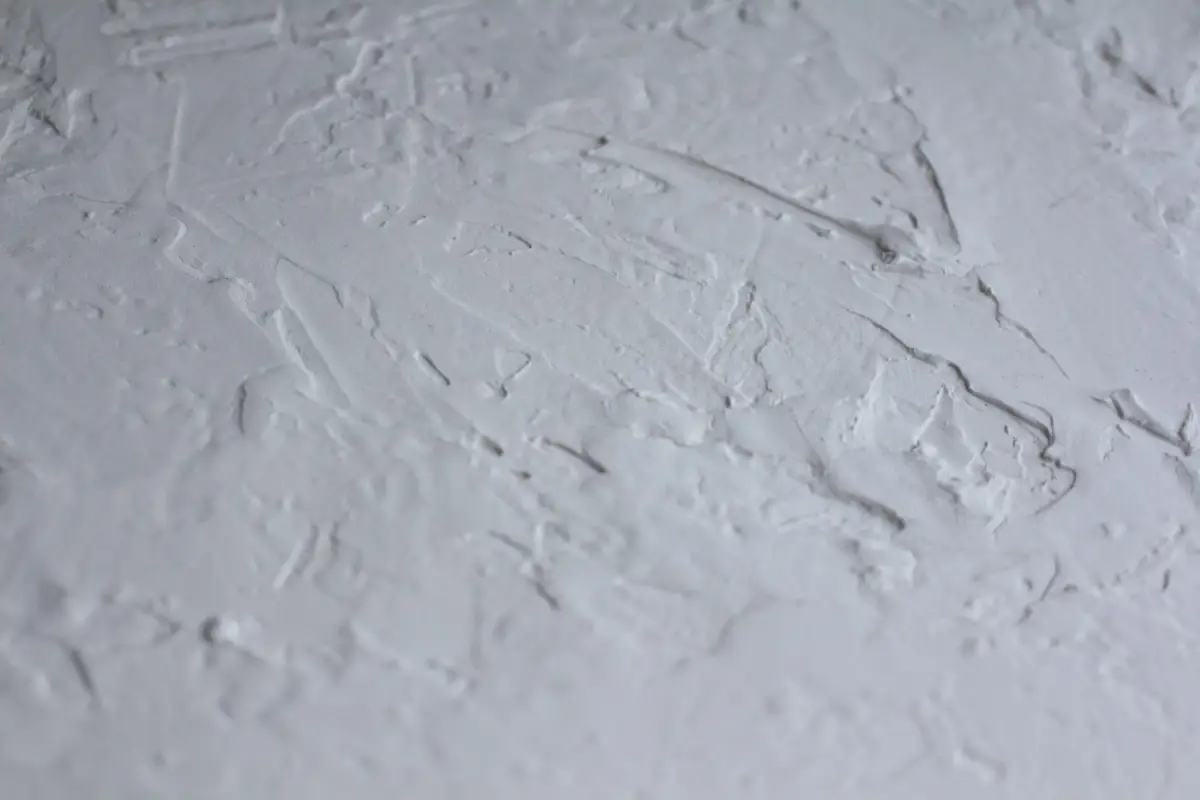
Once a ceiling is cleared to work on, the texture is either scraped dry or, more commonly, lightly misted with water first to soften the compound so it scrapes off in sheets rather than a fine, hard-to-control dust. This step is genuinely one of the messier jobs in residential drywall work — plastic sheeting covers the floor and walls, and furniture is either removed from the room or fully covered, since scraped texture debris gets everywhere if the room isn't protected first.
Ceiling Texture Removal
Not every textured ceiling is popcorn — some are a lighter knockdown or orange peel pattern that's easier to remove or, in some cases, worth keeping and just refreshing rather than fully stripping. Part of the initial visit is confirming which texture is actually on the ceiling, since that changes both the removal method and the realistic cost, before anything gets scraped.
Ceiling Surface Preparation
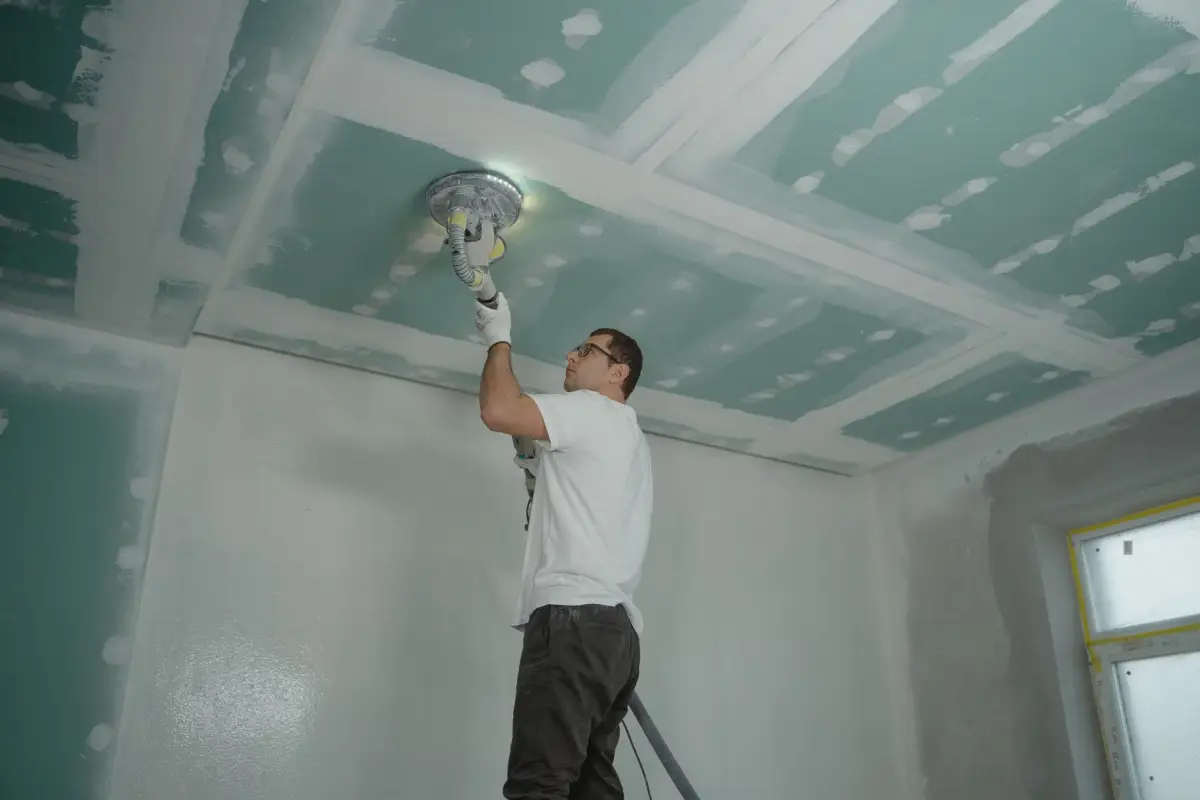
Once popcorn texture is scraped off, the ceiling underneath is rarely paint-ready — scraping is an imprecise process that leaves gouges, thin spots, and inconsistent texture behind. The surface gets a skim coat of joint compound to even everything out, and in cases where the original board itself is damaged or was never meant to be a finished surface (some older popcorn ceilings were sprayed directly over rough board), a thin layer of new drywall or a full reboard may be the more practical option instead of trying to skim-coat an uneven base.
Smooth Ceiling Finishing
A smooth ceiling finish after popcorn removal is effectively a Level 5 drywall finish — the same standard used for premium wall finishes — since any imperfection in a flat, unlit ceiling is far more visible under can lighting or daylight than it would be under a textured surface. This is usually the most labor-intensive part of the whole project, more than the scraping itself.
Drywall Repair After Texture Removal
Scraping frequently reveals problems that weren't visible under the texture — old water stains, cracked seams, or fastener pops that the popcorn was quietly hiding for decades. These get addressed as part of the reskim or reboard step rather than as a separate repair visit, since they're already exposed and accessible at that point.
Signs You Need Popcorn Ceiling Removal
- A ceiling with the bumpy, spray-applied texture common in homes built before the 1980s
- Wanting a more modern, updated look for a room renovation
- Popcorn texture that's yellowed, staining, or starting to flake
- Planning to sell and wanting to modernize a dated ceiling
- A ceiling that hasn't been tested yet for a home built before 1980
How Popcorn Ceiling Removal Works
- 1
Age Check and Testing
The first step for any home built before 1980 is establishing whether the popcorn texture needs to be tested for asbestos before anyone touches it. Manufacturers phased out asbestos in spray-applied texture by the early-to-mid 1980s, but there's no reliable way to tell by looking at it, so a ceiling from that era gets a sample sent to a certified lab rather than a guess made on-site. If a test comes back positive, that ceiling needs a licensed asbestos abatement specialist, not a standard drywall removal — this is a genuine safety issue, not a formality, and it's why the process starts here rather than with a scraper.
- 2
Room Protection
Once a ceiling is cleared to work on, the room gets fully protected before scraping starts — plastic sheeting on the floor, furniture removed or covered, and often a zip wall sealing the room off from the rest of the house, since scraped texture debris travels further than most people expect. This step takes real time on its own, but skipping or rushing it is how a one-room project turns into a whole-house cleanup.
- 3
Scrape and Remove
Texture is typically misted lightly with water first, which softens the compound enough to scrape off in larger sheets rather than a fine powder — this makes the job faster and considerably less dusty than a dry scrape. The ceiling gets worked in sections, with debris bagged and removed as it accumulates rather than left to pile up, since wet scraped texture is heavy and can damage flooring if it's left sitting.
- 4
Reskim or Reboard, and Finish
With the texture off, the ceiling surface underneath gets assessed — most ceilings get a skim coat of joint compound to smooth out scrape marks and inconsistencies, while ceilings with more significant damage underneath may need a thin new layer of board instead. From there, the finish follows the same taping, mudding, sanding process as any drywall finishing job, brought to a smooth or lightly knockdown finish and checked under a raking light before it's called done.
What Does Popcorn Ceiling Removal Cost in Naperville, IL?
What Affects the Price
- Whether asbestos testing is needed based on the home's age
- Square footage of ceiling being scraped
- Condition of the surface underneath (a simple skim coat vs. a full reboard)
- Finish level requested (a full Level 5 smooth ceiling takes more time than a light knockdown)
- Room prep and cleanup, given how messy this specific job is
If a home was built before 1980, budget for the possibility of an asbestos test before getting an exact number — it's a relatively small added cost up front, but it's not optional, and it can affect the timeline if a sample needs to go to a lab before scraping can start.
What to Look for in a Naperville Drywall Contractor
Tests Before Scraping, Not After
Any ceiling old enough to warrant it gets a testing recommendation before any texture is touched.
Room Fully Protected First
Plastic sheeting, covered furniture, and dust containment are standard before scraping starts — this job gets messy fast without it.
Handles What's Found Underneath
Old water stains, cracks, or fastener pops hidden under the texture get addressed as part of the same project.
Smooth Ceiling Checked Under Real Lighting
A finished ceiling gets a raking-light check, since flaws that hide under texture don't hide under a smooth finish.
Residential and Commercial Work
Residential
This is almost entirely a residential request, most common in Naperville homes built before the 1980s that still have their original ceiling texture.
Commercial
Popcorn texture is rare in commercial spaces built to modern code, but if it comes up in an older commercial building, the same testing-first approach applies — reach out directly to discuss.
When This Isn’t the Right Fit
- If a test comes back positive for asbestos, that ceiling needs a licensed abatement specialist first — this service picks back up once that's been handled.
- If you're not planning to touch the ceiling and it's not causing a problem, popcorn texture in good condition doesn't need to be removed for any functional reason.
- If you want a specific contractor you've already worked with, outside this relationship, that's a call you're free to make directly.
Frequently Asked Questions
- How much does popcorn ceiling removal cost in Naperville, IL?
- It depends on square footage, whether asbestos testing is needed, and the finish level requested afterward — a full Level 5 smooth ceiling costs more than a light knockdown refinish. Get an immediate on-site quote for an exact number.
- Does popcorn ceiling always contain asbestos?
- No — asbestos was phased out of spray-applied texture by the early-to-mid 1980s, so not every popcorn ceiling contains it. But there's no way to tell by looking, so any ceiling from that era should be tested by a certified lab before scraping starts.
- How messy is popcorn ceiling removal?
- Genuinely messy — it's one of the messier jobs in residential drywall work. Full room protection (plastic sheeting, covered or removed furniture, dust containment) is standard practice before scraping starts to keep debris contained.
- What happens to the ceiling after the popcorn texture is removed?
- The surface underneath almost always needs a skim coat of joint compound to smooth out scrape marks, and in some cases a thin layer of new drywall if the underlying surface is damaged. From there it's finished smooth or with a lighter texture like knockdown.
- Can I remove popcorn ceiling texture myself?
- If the home was built before 1980, testing for asbestos should happen before anyone scrapes it, which rules out a same-day DIY attempt. Beyond that, scraping and reskimming a ceiling to a smooth, paint-ready finish is a skill that takes real technique to get right without leaving visible gouges or an uneven surface.
Learn More
- EPA — Asbestos Testing and Renovation — Federal guidance on asbestos risk in older building materials, including textured ceilings.
- OSHA — Asbestos Standards for Construction — Workplace safety standards for handling materials that may contain asbestos.
Need Popcorn Ceiling Removal in Naperville, IL?
Tell us what’s going on and get an immediate on-site quote — no charge for the estimate, and no obligation to book it.
Get My Free Estimate