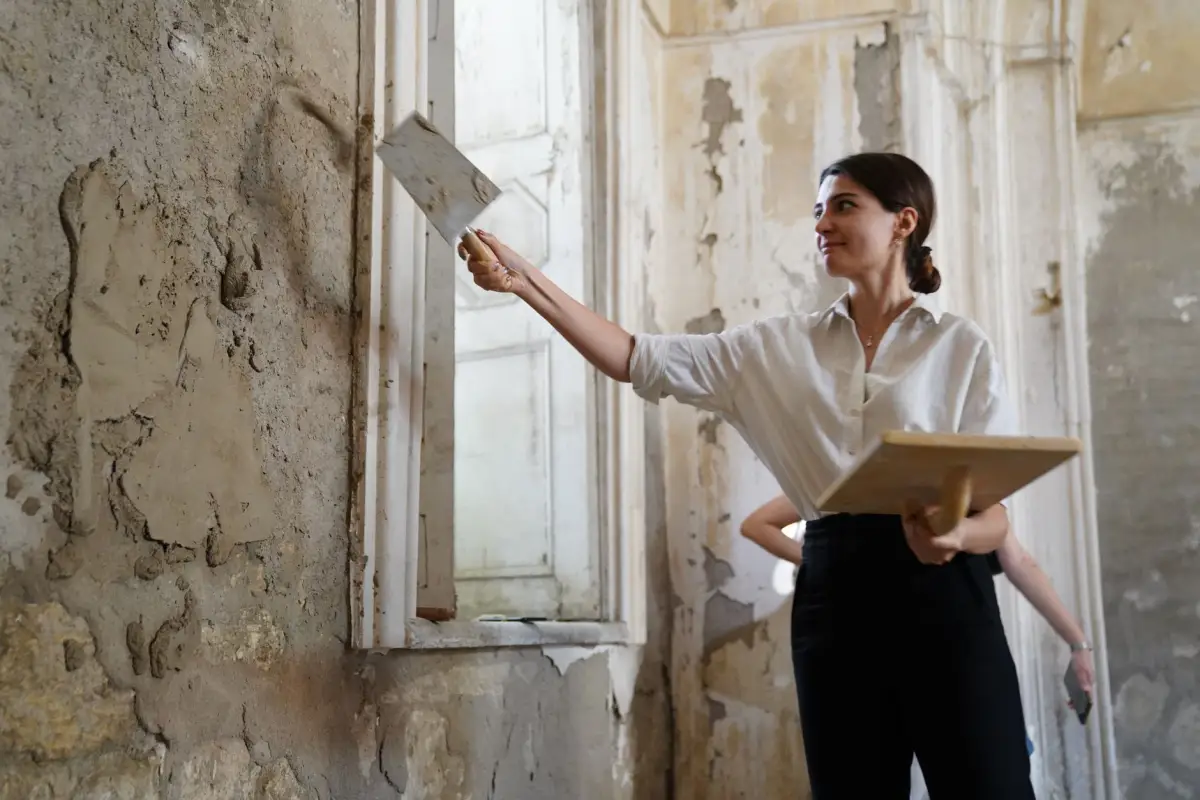
Plaster and Drywall Repair in Naperville, IL
Cracked or failing plaster patched, or converted to drywall where the lath behind it has let go — for the older wall systems drywall repair alone doesn't cover.
Naperville Elite Drywall is your local resource for plaster and drywall repair throughout Naperville, IL. We help homeowners connect with an experienced professional who works with both wall systems, not just one.
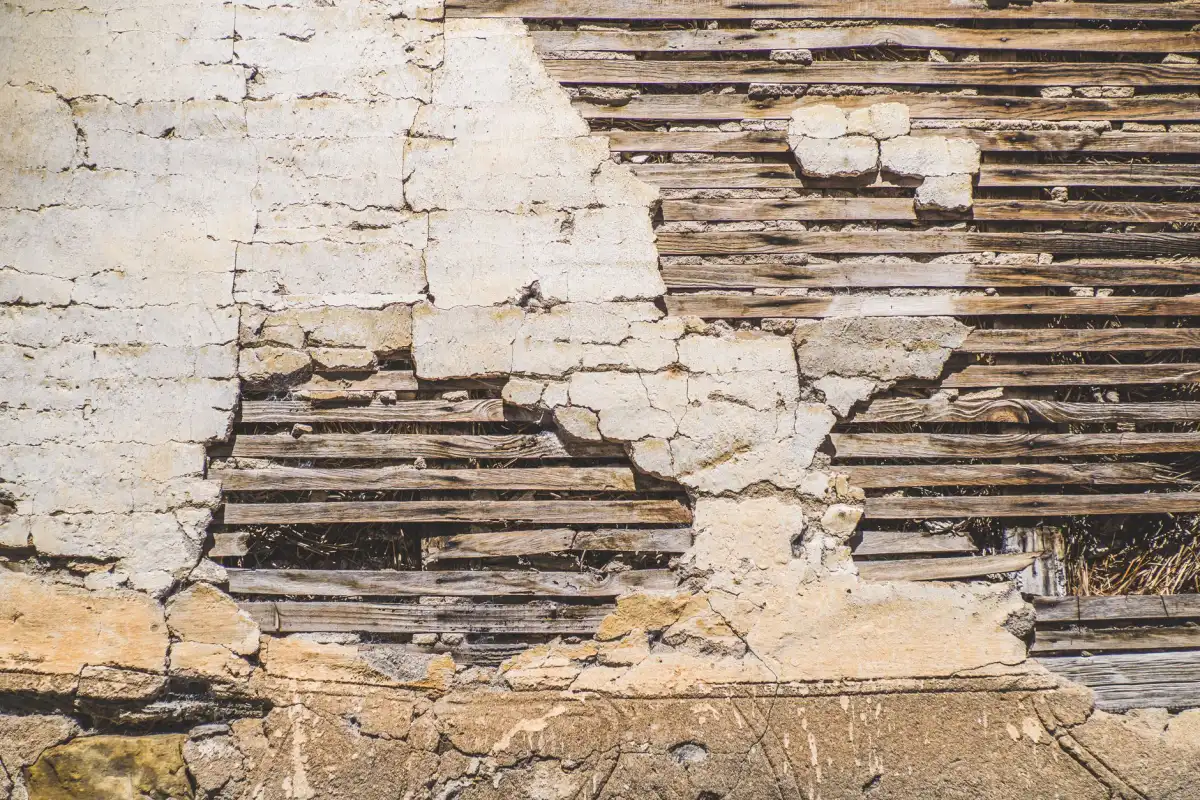
Plaster and drywall are genuinely different materials with different failure patterns, and a lot of general drywall repair doesn't actually cover plaster well — plaster is applied over wood or metal lath in multiple coats, and when it fails, it's usually because the lath behind it has come loose from the framing, not because the plaster itself is simply cracked. Homes in Naperville's older sections, particularly around Downtown, Brookdale, and River Run, still have original plaster walls in some rooms, sometimes alongside drywall added during a later remodel.
The repair approach depends on which problem it actually is: a plaster crack with solid lath behind it can often be patched and holds up fine, while plaster that's soft, bulging, or where you can feel it flex under light pressure usually means the lath connection has failed and a section needs to come out. Where an old plaster wall meets newer drywall — common after a partial remodel — the transition itself needs a skim coat to blend two materials that don't feel or sand the same way.
What’s Included in Your Plaster and Drywall Repair Quote
- Assessment of whether plaster is repairable or needs section replacement
- Plaster crack and patch repair using compatible materials
- Plaster-to-drywall transition blending
- Conversion of failed plaster sections to drywall where appropriate
- Texture and finish matching for the surrounding wall or ceiling
Plaster and Drywall Repair for Older Naperville Homes
Cracked Plaster Repair
A plaster crack with solid lath behind it is a genuinely different repair than a drywall crack — plaster doesn't flex the way taped drywall seams do, so a rigid, plaster-compatible patching compound is used rather than standard joint compound, which can shrink and crack again in a plaster context. The area around the crack gets checked by pressing gently along its length; if the plaster feels solid and only the surface is cracked, it's a genuine patch job, not a sign of a bigger problem.
Plaster Wall Patching
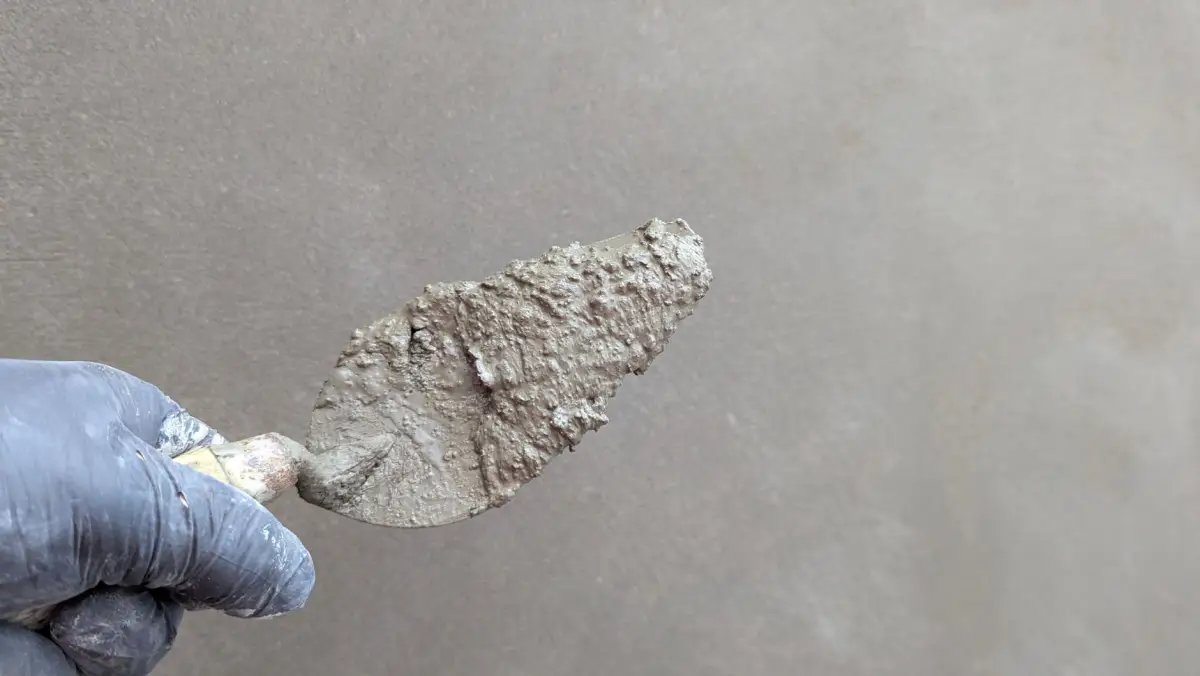
Small areas of damaged plaster — a chip, a small hole, minor surface deterioration — get patched with a plaster-based compound built up in thin layers, since plaster's original multi-coat application (a scratch coat, a brown coat, and a finish coat) doesn't fill correctly in one thick pass the way drywall joint compound does. Getting the buildup and drying time right between layers is what keeps a plaster patch from cracking again shortly after it's finished.
Plaster-to-Drywall Repairs
A lot of older Naperville homes have drywall added at some point next to original plaster, usually from a past remodel or addition, and the seam between the two materials is a common trouble spot — they have different thicknesses, different textures, and don't sand or hold paint identically. Blending this transition usually means a skim coat that feathers from the drywall side into the plaster side, tested for texture match on both surfaces before it's called finished.
Older Home Wall Repair
Older homes bring problems newer construction doesn't — walls that are out of square from a century of settling, plaster or lath hidden behind multiple layers of old wallpaper, and sometimes horsehair-reinforced plaster from before modern building materials were standard. None of this is unusual for the professional you're connected with, but it does mean an older-home repair often takes more assessment time up front than an equivalent job in a newer subdivision.
Wall and Ceiling Restoration
When plaster damage is extensive enough that patching isn't practical — widespread cracking, sections of lath that have failed across a large area, or ceiling plaster that's sagging under its own weight — full restoration to drywall is usually the more durable and cost-effective path. This means removing the failed plaster and lath down to the framing and installing new drywall, then finishing it to match the surrounding original plaster texture as closely as possible.
Signs You Need Plaster and Drywall Repair
- Cracking plaster, especially spreading or recurring cracks
- Plaster that feels soft, bulges, or flexes when pressed lightly
- A visible seam or texture mismatch where drywall meets original plaster
- Chunks of plaster that have already come loose or fallen
- Wallpaper or paint that's bubbling over what turns out to be failing plaster underneath
How Plaster and Drywall Repair Works
- 1
Assessment: Plaster or Drywall Underneath
The first step is confirming what's actually being worked on, since older homes sometimes have drywall installed directly over old plaster, or plaster patched with drywall compound from a past repair that wasn't done correctly. Pressing gently along cracks and suspect areas tells whether the lath behind the plaster is still solidly attached to the framing or has let go — solid lath means a patch will hold, loose lath means that section needs to come out. This assessment takes real time on an older home and shouldn't be rushed, since it determines the entire scope of the repair.
- 2
Plaster Patch or Section Removal
For solid plaster with surface cracking, a plaster-compatible patching compound is built up in thin layers rather than filled in one thick pass, mimicking the original multi-coat application. For plaster where the lath has genuinely failed, the damaged section gets removed down to solid material or to the framing, since patching over compromised lath just delays the same failure. This is also the point where a decision gets made about whether to restore with matching plaster technique or convert that section to drywall, which is usually faster and more durable for a large area.
- 3
Blend and Transition Work
Where new material meets old plaster — whether it's a plaster patch meeting original plaster, or a drywall section meeting a plaster wall — the transition gets skim-coated to blend the two surfaces. This step accounts for the fact that plaster and drywall sand differently and can require different compound types even within the same repair, which is part of why plaster work generally takes more hands-on technique than a standard drywall repair.
- 4
Texture Match and Finish
Older plaster often has a distinct hand-applied texture — a light sand finish, a subtle trowel pattern, or in some cases a smooth finish that's aged differently than a modern smooth drywall wall would. Matching this is tested on a sample area before being applied to the actual repair, and the finished area gets checked under a raking light the same way any drywall repair would be, since plaster surfaces show imperfections just as readily as drywall does under the right lighting.
What Does Plaster and Drywall Repair Cost in Naperville, IL?
What Affects the Price
- Whether the lath behind the plaster is still solid or has failed
- Size of the damaged area and whether it's a patch or a full section replacement
- Complexity of matching an older, hand-applied plaster texture
- Whether the repair involves a plaster-to-drywall transition
- General condition and age of the surrounding wall or ceiling
Plaster repair generally costs more per square foot than an equivalent drywall repair, since it requires different materials, a multi-layer application process, and more hands-on technique to match a texture that was never meant to be mass-produced.
What to Look for in a Naperville Drywall Contractor
Works With Both Wall Systems
Plaster and drywall are treated as genuinely different materials, not patched with the same compound and hoped for the best.
Checks the Lath, Not Just the Surface
A plaster crack gets assessed for what's actually behind it before deciding whether it's a patch or a section replacement.
Experience With Naperville's Older Housing Stock
Original plaster, later drywall additions, and everything in between — the professional you're connected with has worked on homes with this exact mix.
Texture Matched to Older, Hand-Applied Finishes
A patch on original plaster gets tested against the real texture, not a generic drywall pattern.
Residential and Commercial Work
Residential
This is a residential service specific to Naperville's older neighborhoods, where original plaster walls are still common in homes from before drywall became the standard material.
Commercial
Plaster is uncommon in modern commercial spaces; for commercial wall repair, see the dedicated Commercial Drywall Repair page.
When This Isn’t the Right Fit
- If your home is newer construction with standard drywall throughout, this page isn't the right fit — see Drywall Repair instead.
- If a large section of ceiling plaster is actively sagging or has already partially fallen, treat that as urgent and have it assessed as soon as possible rather than waiting.
- If you want a specific contractor you've already worked with, outside this relationship, that's a call you're free to make directly.
Frequently Asked Questions
- How much does plaster repair cost in Naperville, IL?
- Plaster repair generally costs more than an equivalent drywall repair, since it uses different materials and takes more hands-on technique to match. The exact number depends on the size of the damage and whether the lath behind it needs replacing. Get an immediate on-site quote for an accurate figure.
- How do I know if it's plaster or drywall on my walls?
- Plaster walls generally feel harder and colder to the touch, sound more solid when tapped, and are common in homes built before the 1950s. Drywall feels slightly hollow when tapped and is standard in most homes built from the 1950s onward. If you're not sure, this is easy to confirm during an on-site visit.
- Can plaster be repaired, or does it always need to be replaced?
- It depends on the lath behind it. If the lath is still solidly attached to the framing, a plaster-compatible patch typically holds well. If the lath has failed, that section usually needs to be removed and either replastered or converted to drywall.
- Why does my house have both plaster and drywall walls?
- This is common in older homes that had an addition, remodel, or partial repair done after the original construction — plaster was standard through the mid-20th century, and drywall became the standard material afterward, so a home built in stages often has both.
- Is it better to convert an old plaster wall to drywall?
- For a wall with extensive lath failure or widespread cracking, converting to drywall is often more practical and durable than trying to restore the original plaster technique. For a wall with only minor, isolated damage, a plaster-compatible patch is usually the better option to preserve the original material.
Learn More
- Gypsum Association — Plaster and Drywall Repair Reference — Industry technical background on plaster systems and drywall repair compatibility.
- National Trust for Historic Preservation — Plaster Repair Basics — General preservation guidance on repairing versus replacing historic plaster.
Need Plaster and Drywall Repair in Naperville, IL?
Tell us what’s going on and get an immediate on-site quote — no charge for the estimate, and no obligation to book it.
Get My Free Estimate