Drywall Texturing in Naperville, IL
Wall and ceiling texture applied or matched to what's already in the house, tested on a sample board before it touches the real wall.
Naperville Elite Drywall is your local resource for drywall texturing throughout Naperville, IL. We help homeowners connect with an experienced drywall professional for new texture application and, just as often, matching an existing pattern after a repair.
Texture does two jobs at once — it hides minor imperfections in the drywall finish underneath, and it's a visual style choice that varies a lot across Naperville's mix of older homes near Brookdale and River Run and newer construction out toward Ashwood Park and Tall Grass. Older homes more often have a hand-applied knockdown or a heavier stipple pattern; newer builds tend toward a lighter knockdown or a smooth, no-texture wall.
The trickiest texture work usually isn't a brand-new wall — it's matching an existing pattern after a repair or an addition, since even two knockdown finishes can look noticeably different depending on how heavy the mud application was and how the knockdown blade was dragged across it. That's why a sample board test happens before texture goes on any wall that has to match something already there.
What’s Included in Your Drywall Texturing Quote
- Existing texture identification and sample-board matching (for repairs and additions)
- New texture application (knockdown, orange peel, or smooth) on fresh drywall
- Ceiling and wall texture, quoted separately since technique and dry time differ
- Prime-ready surface once texture is dry
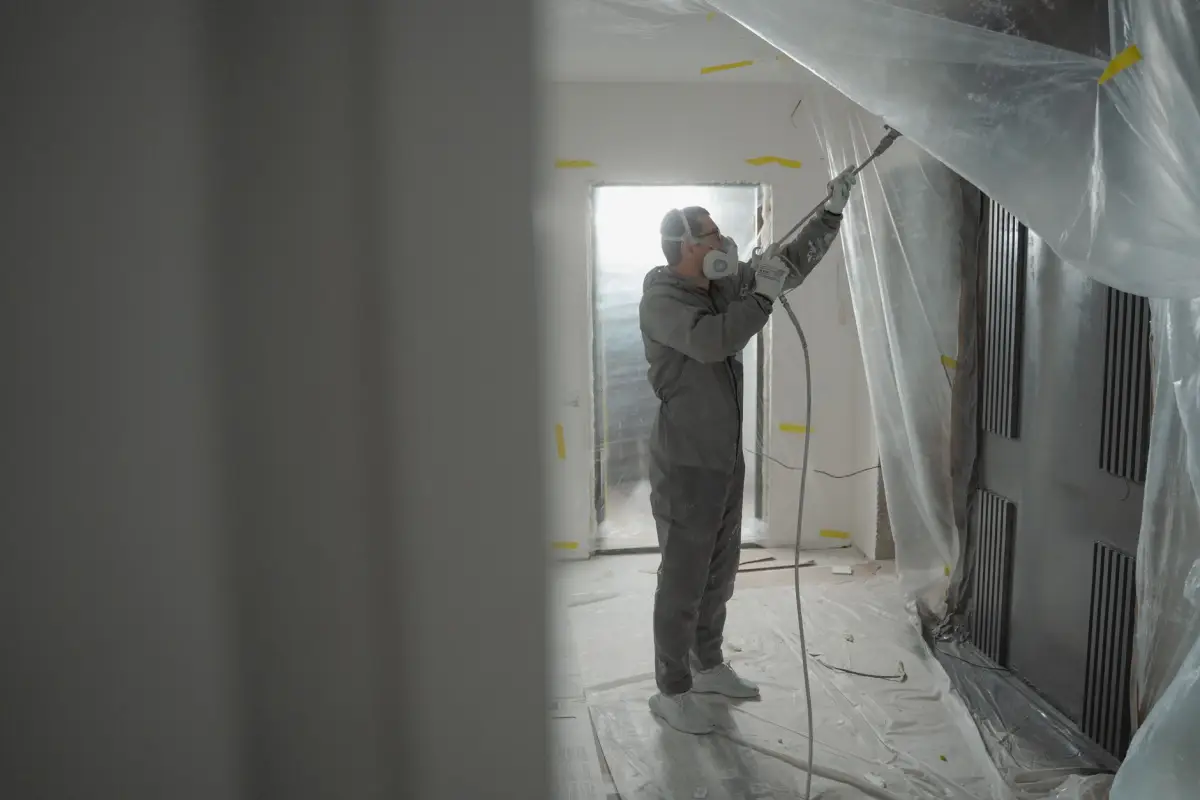
- Dust containment during spray or hand-texture application
Drywall Texture Options and Matching
Wall Texture Application
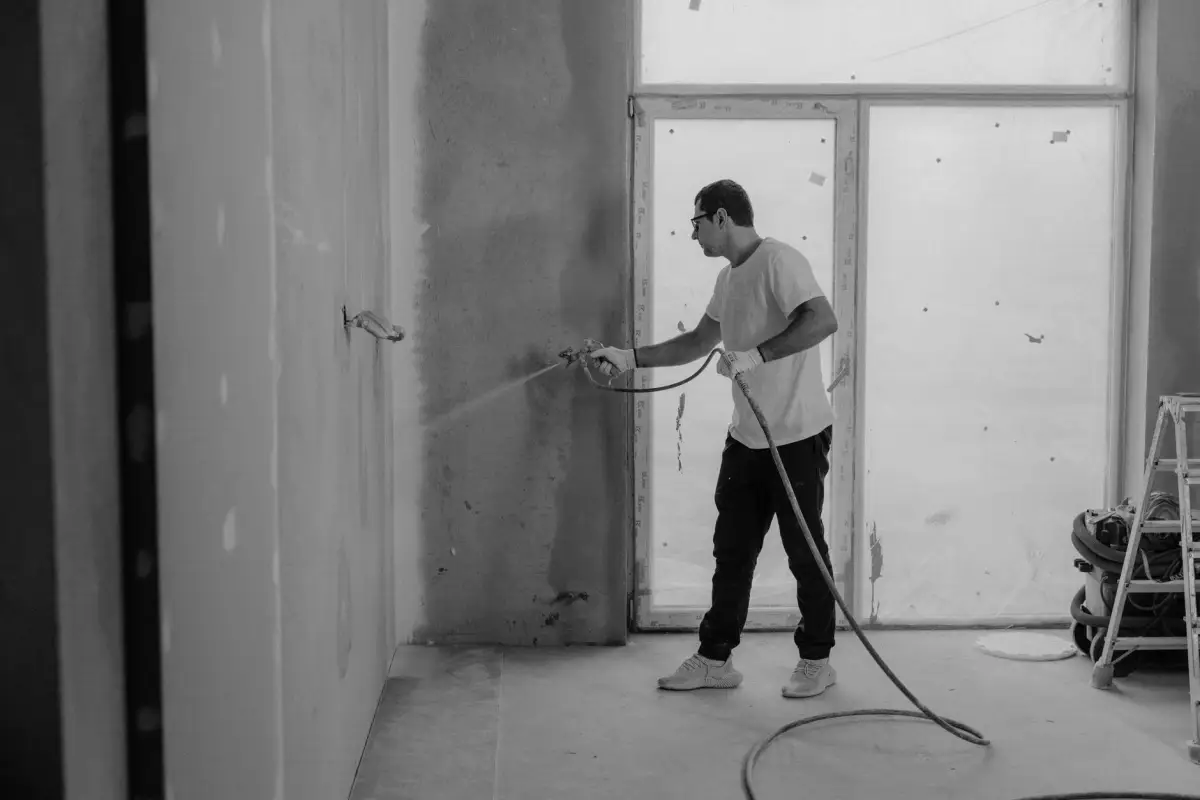
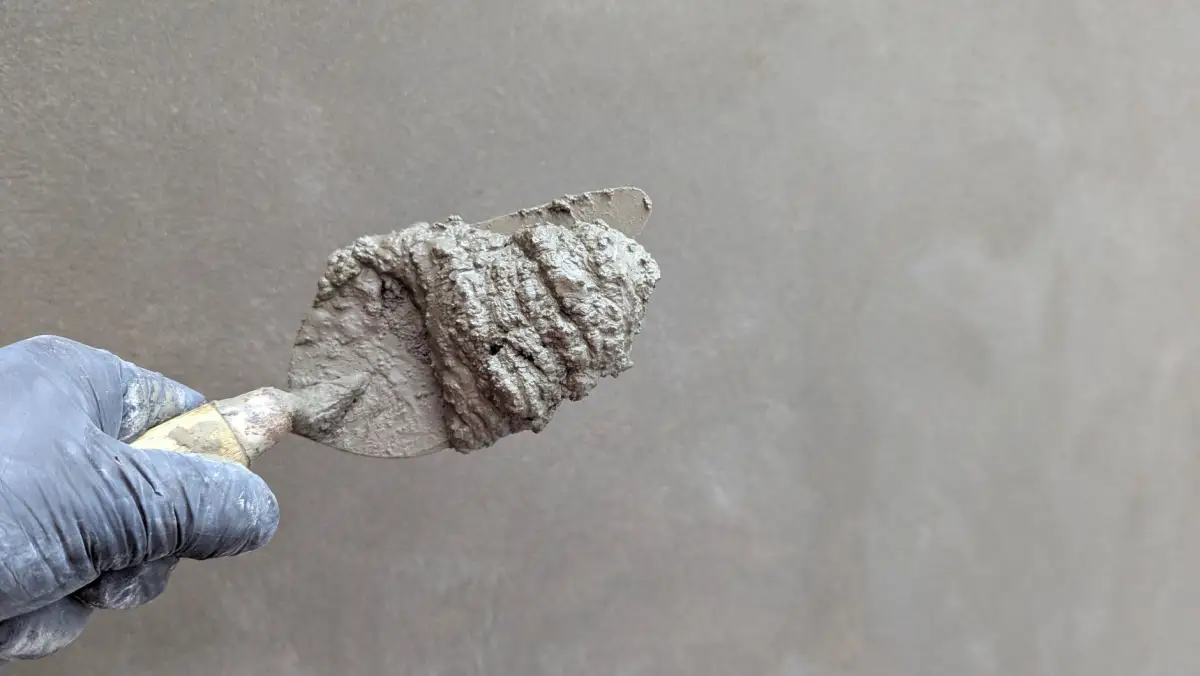
Wall texture is typically sprayed on with a hopper gun (for knockdown and orange peel) or applied by hand with a trowel or brush (for heavier stipple or skip-trowel patterns). The compound consistency, spray pressure, and timing before knockdown all affect the final look, which is why texture application is more of a hands-on skill than a mechanical process — the same equipment in different hands produces noticeably different results.
Ceiling Texture Application
Ceiling texture uses the same core techniques as wall texture but is more forgiving of a heavier pattern, since ceilings are viewed from farther away and at an angle rather than up close. Popcorn texture (a heavier, spray-applied acoustic texture) was common on ceilings through the 1970s and into the 80s, though it's rarely applied on new work today — see the dedicated Popcorn Ceiling Removal page if that's what's actually on your ceiling now.
Matching Existing Drywall Texture
This is the part of texture work that separates an experienced hand from a rushed one. Matching an existing pattern means identifying whether it's knockdown, orange peel, or something less common like a hand-troweled skip pattern, then testing the compound thickness, spray or application pattern, and drying time before knockdown on a sample board — never directly on the actual repair. A texture mismatch is often more visible than the repair it was meant to hide, especially in strong natural or angled light.
Texture Repair
When a patch or a small section of texture gets damaged (from a repair, a bumped wall, or removing wallpaper), the surrounding texture gets feathered out past the repair edge so the transition is gradual rather than a hard line. This is usually done alongside a drywall repair rather than as a standalone service, since texture repair only makes sense once the underlying drywall patch is already finished and dry.
Smooth Wall Finishes
A smooth, texture-free finish is really a Level 5 drywall finish rather than a texture application — see Drywall Finishing for the full process. It's worth mentioning here because a lot of homeowners request "no texture" thinking of it as a texture choice, when it's actually a finish-level decision with its own cost and lighting considerations.
Signs You Need Drywall Texturing
- New drywall that needs texture before it can be primed and painted
- A repair patch that needs to blend with existing texture
- Wanting to update from a heavier, dated texture to a lighter or smooth finish
- Texture that's cracking, peeling, or separating from the wall
- An addition that needs to match the texture of the existing house
How Drywall Texturing Works
- 1
Identify the Existing Pattern
For any job involving a match — a repair, an addition, a partial remodel — the first step is identifying exactly what texture is already on the wall or ceiling. Knockdown and orange peel are the two most common patterns in this area, but the specific heaviness, spray density, and knockdown timing vary enough between two "knockdown" walls that a generic match often isn't close enough. This step also involves checking whether the existing texture has been painted over multiple times, since heavy paint buildup changes how a new texture application will read next to it.
- 2
Sample Board Test
Before texture touches the actual wall, it gets tested on a scrap board — mixing the joint compound to the right consistency, applying it with the same tool that'll be used on the real wall, and timing the knockdown pass to match the existing pattern's texture depth. This step gets skipped on rushed jobs, and it's the single biggest reason a texture match fails; going straight to the real wall means any mistake is now baked into a surface that's expensive to redo.
- 3
Application
Once the sample matches, compound is sprayed or hand-applied to the actual surface, working in manageable sections so the texture stays consistent from one edge to the next rather than showing a seam where the applicator paused too long. Spray texture needs the room protected (floors, fixtures, adjacent walls) since overspray travels further than most people expect. Hand-applied textures like skip-trowel take longer per square foot but give more control over pattern consistency in a smaller repair area.
- 4
Dry, Inspect, and Prime-Ready
Texture needs to dry fully before it's primed — rushing this step risks trapping moisture that can affect adhesion later. Once dry, the area is checked under a work light at the same angle real room lighting will hit it, confirming the pattern, depth, and density actually match the surrounding surface before it's called finished and ready for primer.
What Does Drywall Texturing Cost in Naperville, IL?
What Affects the Price
- Square footage of the area being textured
- Texture type (knockdown and orange peel are generally faster than hand-applied skip-trowel or heavy stipple)
- Whether it's new texture or a match against existing texture (matching takes more time and a sample-board test)
- Ceiling vs. wall texture
- Room prep needed to protect fixtures, floors, and adjacent surfaces from overspray
Matching existing texture almost always costs more than applying fresh texture to new drywall, because of the sample-board testing step — skipping that test to save time is exactly how a mismatch ends up more noticeable than the repair it was covering.
What to Look for in a Naperville Drywall Contractor
Never Skips the Sample Board
Texture gets tested on scrap before it touches your actual wall — that's what makes a match actually look matched.
Handles Both Spray and Hand-Applied Texture
Knockdown, orange peel, skip-trowel, and heavier stipple patterns are all within scope, not just whichever's fastest to apply.
Checked Under Real Lighting
A finished texture match gets reviewed at the angle it'll actually be seen from, not just up close.
Room Protected From Overspray
Floors, fixtures, and adjacent surfaces get covered before spray texture starts, not after something gets hit.
Residential and Commercial Work
Residential
Most texture work is matching an existing pattern after a repair or addition — genuinely new texture on a brand-new wall is actually the less common request.
Commercial
Commercial spaces more often specify a smooth Level 4 or 5 finish over texture — see Commercial Drywall Finishing for that work.
When This Isn’t the Right Fit
- If you're removing popcorn ceiling texture rather than adding or matching texture, see Popcorn Ceiling Removal instead.
- If you just want smooth, texture-free walls, that's a Drywall Finishing (Level 5) request, not a texture application.
- If you want a specific contractor you've already worked with, outside this relationship, that's a call you're free to make directly.
Frequently Asked Questions
- How much does drywall texturing cost in Naperville, IL?
- It depends on square footage, texture type, and whether it's a fresh application or a match against existing texture (matching costs more due to the sample-board testing step). Get an immediate on-site quote for an exact number.
- What's the difference between knockdown and orange peel texture?
- Orange peel is a lighter, stippled spray texture with a subtle, even bumpy surface. Knockdown starts the same way but the compound is partially flattened with a knockdown knife or trowel before it fully dries, giving it a flatter, more mottled look. Knockdown is more common in this area currently.
- Can you match texture on an older home?
- Yes, though it typically takes more testing — older homes often have heavier, hand-applied patterns or texture under multiple layers of paint, which changes how a new application needs to be mixed and applied to actually match.
- How long does texture take to dry before painting?
- It depends on the compound thickness and room humidity, but texture generally needs at least a full day to dry before priming — rushing this risks trapping moisture that affects paint adhesion later.
- Can I remove texture and go smooth instead?
- Yes — that's a Level 5 drywall finish rather than a texture service. It usually involves either skim-coating over the existing texture or removing it first, depending on the texture type and how well it's adhered.
Learn More
- Gypsum Association — Texture and Finish Techniques — Industry reference for drywall texture application methods and standards.
- USG — Texture Product Technical Guides — Manufacturer guidance on texture compound types and application technique.
Need Drywall Texturing in Naperville, IL?
Tell us what’s going on and get an immediate on-site quote — no charge for the estimate, and no obligation to book it.
Get My Free Estimate