Drywall Installation in Lombard, IL — Residential & Commercial Drywall Specialists
Full-service drywall installation for new construction, additions, and remodels in Lombard, IL, about 10 miles northeast of Naperville via I-355.
Naperville Elite Drywall is your local resource for drywall installation throughout Lombard, IL. We help homeowners connect with an experienced drywall professional for new construction, additions, basement finishing, and garage builds.
Drywall installation in Lombard covers everything from blending new board into a century-old plaster wall near downtown to large-scale commercial work inside a shopping center under redevelopment. The village's oldest blocks cluster around Lilacia Park downtown, an area the village's first official historic survey — completed in 2014 — found held 106 significant buildings across town, and remodels in that older core regularly run into original lath-and-plaster construction that a straight drywall patch won't match.
Lombard sits about 10 miles northeast of Naperville, reachable via I-355 and Route 53, close enough to stay inside the same regular coverage area as the rest of this site's service radius rather than a special trip. Between an older downtown core and active commercial corridors along Roosevelt Road and Yorktown Center, Lombard sees a genuine mix of residential and commercial drywall work.
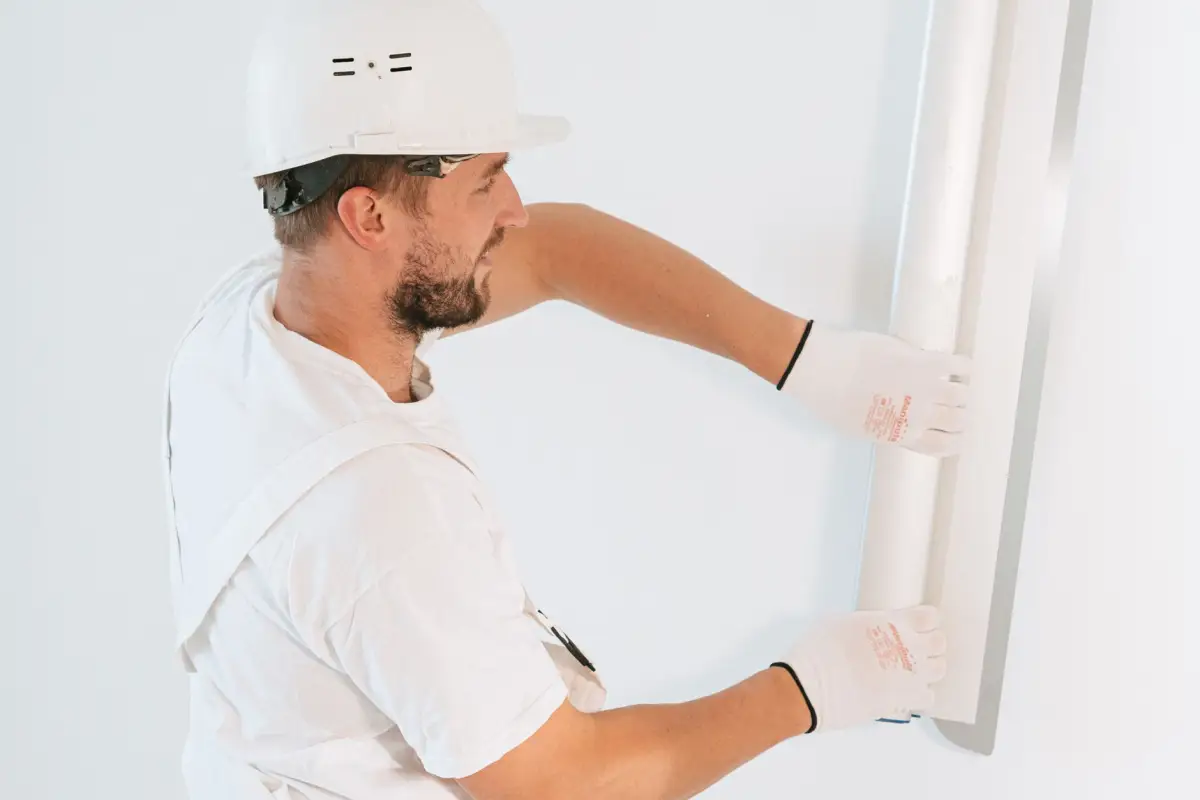
Drywall Installation Options for Lombard Homes
New Construction Drywall Installation
A full-house install on new framing is the most straightforward version of this job, since there's no existing texture to match and no furniture to work around. The professional you're connected with works off the builder's or architect's finish schedule, which usually specifies board thickness (1/2 inch for most walls, 5/8 inch for ceilings and fire-rated assemblies) and which rooms need moisture-resistant board. Framing gets inspected before board goes up, and the finish level gets set up front so it's not a mid-project decision.
Home Addition Drywall Installation
An addition has to tie into existing walls, which is the part that trips up a rushed job — the new drywall's thickness, texture, and paint sheen all need to match what's already there, or the seam between old and new shows under normal lighting, let alone the raking light from a window. This is where a texture sample gets tested on a scrap board before anything goes up on the addition itself, and why an addition often takes longer per square foot than an equivalent new-construction room. In Lombard, that often means matching new drywall into the plaster walls of one of the workers' cottages or bungalows built near downtown in the 1920s.
Basement Drywall Installation
Basements bring moisture and low ceiling height into the plan. Board near a bathroom, laundry hookup, or any exterior wall below grade is usually moisture-resistant, and ceiling drywall often has to route around ductwork, plumbing, and electrical that a first-floor room never deals with. A basement in an older Naperville home may also need the framing checked for square before board goes up, since older foundations settle unevenly over decades.
Garage Drywall Installation
Garages attached to a living space almost always require Type X fire-rated board on the shared wall and ceiling — that's a building-code requirement in most jurisdictions, not an upsell, since it slows fire spread between the garage and the house. A detached garage or a garage being converted into living space has more flexibility on board type but still needs insulation and vapor-barrier decisions made before the board goes up, not after.
Drywall Hanging and Finishing
Hanging is screwing board to framing with the seams staggered so they don't line up on one stud; finishing is everything after that — tape, three coats of joint compound, sanding between coats, and a texture or smooth finish. The finish level requested (see "What Drives the Price" below) determines how many sanding passes and how much attention the seams get before they're primer-ready. Yorktown Center's ongoing mixed-use redevelopment is generating exactly this kind of large-scale commercial hang-and-finish work along the Butterfield Road corridor.
Drywall Installation Process for Lombard Properties
- 1
Framing Check and Board Selection
Before any board goes up, the framing gets checked for square and spacing — studs 16 or 24 inches on center, with blocking added anywhere a fixture or cabinet will need extra support later. This is also when board gets picked room by room: standard 1/2-inch board for most walls, 5/8-inch for ceilings (it resists sagging better over a wider span), moisture-resistant board near bathrooms and basement walls, and Type X fire-rated board anywhere code requires a fire separation, most commonly the garage-to-house wall and ceiling. Getting this step wrong is the single most common source of callbacks on a new install — a sagging ceiling six months later almost always traces back to standard board used on too wide a ceiling span, not a finishing mistake.
- 2
Hanging
Sheets go up horizontally where possible, since a horizontal seam is easier to finish flat than a vertical one, and the seams are staggered so two boards never meet on the same stud. Fasteners are spaced and set just below the paper surface without breaking it, since an overdriven screw weakens the board's grip. Openings for outlets, switches, and light fixtures get cut before the board goes up, using a template rather than cutting freehand, which keeps the opening tight enough that a cover plate hides the edge cleanly.
- 3
Taping and Mudding
Paper or mesh tape goes over every seam and inside corner, embedded in the first coat of joint compound, followed by two more coats that each extend a few inches wider than the last — this is what "feathering out" a seam means, and it's why a seam that's finished correctly is invisible once painted while a rushed one telegraphs through under any angled light. Outside corners get metal or vinyl corner bead before mudding starts. Each coat has to dry fully before the next goes on, which is usually the longest stretch of the whole install — mud doesn't care about the schedule, it sets when it sets.
- 4
Sanding and Finish
Once the final coat is dry, seams get sanded smooth and checked under a work light held at a low angle — the same angle sunlight or a lamp will eventually hit the wall at, which is the only reliable way to catch a ridge or a shadow line before paint does it for you. From there the wall either gets primed as a smooth finish or textured to match the rest of the house (knockdown and orange peel are the two most common in this area). A final walk-through confirms every seam, corner, and fastener is flush and paint-ready before the job is called done.
One Local Drywall Relationship, Not a Bidding War
A phone number and a truck in the driveway don't make a company. Here's what's actually different about ours for a job in Lombard, IL.
The Estimate Is the Price
The itemized number from the on-site walkthrough is the number on the invoice — the professionals we work with don't add line items once the work is already underway.
One Relationship, Not a Bidding War
This isn't a marketplace matching you with whoever's free. You work with the same experienced drywall professional from the first estimate to the final coat.
A Real Walkthrough, Not a Phone Quote
Ballpark numbers over the phone don't account for what's actually behind the wall. The professionals we work with look at the job in person before putting a number on paper.
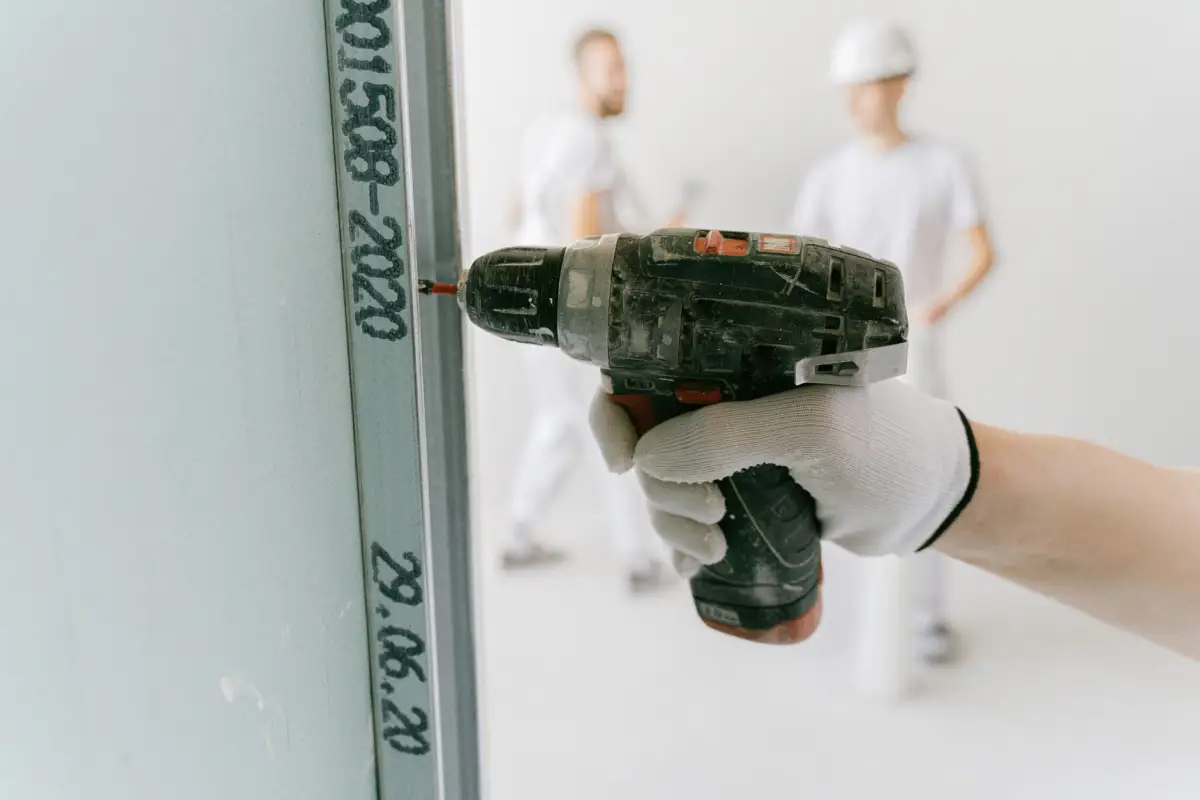
What Drywall Installation Looks Like in Lombard, IL
Downtown Lombard and Lilacia Park
Lilacia Park, bequeathed to the village in 1927 and now home to more than 200 lilac varieties, sits at the center of Lombard's oldest blocks. The village's first official historic survey, completed in 2014, catalogued 106 significant buildings across town, and remodels in these older blocks regularly run into original lath-and-plaster walls that need blending into new drywall rather than a clean board-to-board seam.
Yorktown Center's redevelopment
Yorktown Center opened in phases starting in 1968 as roughly 1.3 million square feet of enclosed retail at Butterfield Road and Highland Avenue — the largest shopping center in the country at the time — and it's now the subject of an active mixed-use redevelopment. A project converting that much retail space to a mixed-use format generates large-scale commercial drywall work: metal-stud partitions, fire-rated assemblies, and multifamily sound-rated walls as the site adds new uses.
The Roosevelt Road commercial corridor
Route 38 through Lombard is a dense, high-traffic retail corridor less than a mile from I-355, lined with national retailers and shopping centers that see regular tenant turnover. Each new storefront build-out along this corridor needs code-compliant metal-stud partition framing and fire-rated drywall matched to that space's occupancy type before it can open.
Homes near the downtown Metra stop
North Lombard and the blocks around the downtown train station include workers' cottages and bungalows built in the 1920s, alongside split-levels and ranches from later building waves further out. Updating one of these older homes usually means matching new drywall seams into original plaster rather than a standard new-construction install.
Where This Comes Up Around Lombard, IL
Getting there
I-355 runs along Lombard's western edge through neighboring Villa Park on its way from I-80 in New Lenox to I-290 in Addison, and Illinois Routes 38, 53, 56, and 64 all cross through the village as well. That crossroads keeps Lombard about 10 miles northeast of Naperville, reachable in one direct run rather than several turns.
From Babcock's Grove to Lombard
The village started as Babcock's Grove and wasn't renamed and incorporated as Lombard until 1869, after the Galena and Chicago Union Railroad's 1848 arrival had already built up a commercial center around the depot. The Sheldon Peck Homestead, built in 1839 and now a museum, is the oldest surviving house in the village and a marker of just how much older Lombard's core is than the subdivisions built up around it.
When We’re Not the Right Call
- If you're patching a single hole or crack, not boarding a new room, see Drywall Repair instead — installation pricing assumes framing with no existing drywall on it.
- If the framing itself hasn't passed inspection yet, that has to happen before board goes up — no professional should hang drywall over unapproved framing.
- If you want a specific contractor you've already worked with, outside this relationship, that's a call you're free to make directly.
Frequently Asked Questions
- Do you serve Lombard, IL?
- Yes. Lombard is about 10 miles northeast of Naperville, reachable via I-355 and Route 53, and it's a regular part of the area the drywall professional we work with covers.
- Does Lombard's older housing near downtown need different drywall work than newer subdivisions?
- Often, yes. Homes near Lilacia Park and the downtown Metra stop tend to be older, in some cases going back to the 1920s or earlier, with original plaster behind later updates — blending new drywall into that plaster calls for a different finish approach than a straightforward install in a newer home.
- Do you do commercial drywall for retail spaces along Roosevelt Road or at Yorktown Center?
- Yes. Both are active commercial corridors — Roosevelt Road sees regular storefront turnover, and Yorktown Center's ongoing mixed-use redevelopment is generating large-scale build-out work — and the drywall professional we work with scopes commercial jobs like these alongside residential ones.
- How much does drywall installation cost in Lombard?
- It depends on square footage, board type, ceiling height, and finish level — a basement with standard board and a Level 3 finish costs less per square foot than a great room with vaulted ceilings and a Level 5 smooth finish. Get an immediate on-site quote for an exact number; a phone estimate can't account for framing condition or access.
Learn More
- Gypsum Association — Fire-Resistant Assemblies — Industry technical standards for board type, fire ratings, and assembly requirements.
- City of Naperville — Building Permits — Permit requirements for basement finishing, garage conversions, and additions.
Need Drywall Installation in Lombard, IL?
Tell us what’s going on and get an immediate on-site quote — no charge for the estimate, and no obligation to book it.
Get My Free Estimate